Mash Up Episode ft. Why We Don't Learn from History, Empire of the Summer Moon, and a Late Summer Wrap-Up w/Tom Libby & Jesan Sorrells
Mash Up Episode ft. Why We Don't Learn from History, Empire of the Summer Moon, and a Late Summer Wrap-Up w/Tom Libby & Jesan Sorrells.
---
00:00 "Leadership Lessons: Bonus Mashup"
09:57 Health Decline Linked to Modern Diet
15:39 "Discussing Political Violence: Charlie Kirk"
17:57 University System's Impact on Leadership
26:10 Turning Point's 2024 Donor Concerns
28:01 Changing Cultural Engagement Dynamics
37:31 "John Oliver's Bold Independence"
38:05 Hollywood's Free Speech Dynamics
46:35 "Laughter Keeps Us Human"
52:35 FCC Chair Criticism and Kimmel Negotiation
54:34 Podcast Book Lineup for Fall: Why We Don't Learn from History, Empire of the Summer Moon, and More!
59:40 "Mongol Warfare: Old Meets New"
01:04:45 Cultural Inflection Point Analysis
01:11:53 Legacy of WWI: Conflict's Lessons
01:21:09 History's Dual Perspectives Needed
01:24:15 Rise of Robotic Warfare
01:30:07 "Rethinking Warfare and Territorial Disputes"
01:32:43 Colonial Distance Fosters Cooperation
01:37:47 Celestial Conflict: Human vs. Alien Agency
---
Opening and closing themes composed by Brian Sanyshyn of Brian Sanyshyn Music.
---
- Pick up your copy of 12 Rules for Leaders: The Foundation of Intentional Leadership NOW on AMAZON!
- Check out the 2022 Leadership Lessons From the Great Books podcast reading list!
---
★ Support this podcast on Patreon ★
- Subscribe to the Leadership Lessons From The Great Books Podcast: https://bit.ly/LLFTGBSubscribe
- Check out HSCT Publishing at: https://www.hsctpublishing.com/.
- Check out LeadingKeys at: https://www.leadingkeys.com/
- Check out Leadership ToolBox at: https://leadershiptoolbox.us/
- Contact HSCT for more information at 1-833-216-8296 to schedule a full DEMO of LeadingKeys with one of our team members.
---
- Leadership ToolBox website: https://leadershiptoolbox.us/.
- Leadership ToolBox LinkedIn: https://www.linkedin.com/company/ldrshptlbx/.
- Leadership ToolBox YouTube: https://www.youtube.com/@leadershiptoolbox/videos
- Leadership ToolBox Twitter: https://twitter.com/ldrshptlbx.
- Leadership ToolBox IG: https://www.instagram.com/leadershiptoolboxus/.
- Leadership ToolBox FB: https://www.facebook.com/
Hello, my name is Jesan Sorrells and this is the Leadership Lessons from the Great Books Podcast bonus mashup episode. So we've we've been running these mashup episodes this year as part of our new format. And mashup episodes are an opportunity for us to talk with a guest about different topics from different books that we have covered on the show and to link those topics to future books that we are going to cover on the show. It also gives us an opportunity to bring in elements of popular culture, including film, which we do like talking about on this show.
Technology, sometimes politics, but other areas that touch on or discuss other areas that touch on business and leadership. And we always get great insights during these episodes. Matter of fact, the first one that we did was with Neil Kielachovsky where we talked about Lord of the Rings and its overlap into World War I and Pink Lloyd. I would encourage you to go back and listen to that episode today on the show. Our mashup episode will be pointed towards both the past and the future. We are going to be talking about and laying the foundation for what we are going books.
We are going to be discussing the next couple of months on the show as we close out a
interesting and dare I say, momentous 25th year. Huh? I'm going to say it this way. The 25th year of the 21st century. Meaning that there's 75 more years to go in this bad boy before this is all said and done. And unfortunately, tragically for all of you, I will not be around at the end of it, I don't think, however, books will be around at the end of it. And some of the books that we will be talking about today will be around at the end of this century because they explore timeless themes that aren't really going to change because they're about human nature and human psychology.
No matter how fancy our drones get or our large language model driven robots that will eventually do all of the. I'm going to tip my hand here, eventually do all the fighting and living for us because we're just about ready to outsource that. And so today on the show we are joined by my semi regular guest host, Tom Libby. How you doing today, Tom? After that intro, I think I'm doing just Ducky. And it's been a while since Tom has been on the show. Tom did not join us for our Sci Fi jaunt, with the exception of.
No, not even. No, not even for the episode around Philip K. Dick. We did none of that. Did Thomas. And Tom's been out for a while and so what have you been doing, Tom? So we'll catch up with him for a moment here. What have you been doing this summer? Have you been just living your best life? I mean, yeah, I've just been, I've been, I've been constantly thinking or wondering why I haven't been on the show. And that has been my, my summer thinking. You know, did I say something so controversial that the audience just didn't want me back?
Or like, I understand, look, I understand. It'S been a K pop, demon hunters driven summer for you understand. You're, you've been all over that and, and you know, it's been a, I mean, it's been a big film summer. Superman came out. I mean, I know you really enjoyed that movie with the dog, and dog. Was the best character in the movie. And that was, that wasn't even a real character because the whole thing was cgi.
And, and I know you've been busy, you know, with whatever it is you do around your house. I believe one conversation I had, you, you were well on your, you were on your way to, to doing some yard maintenance because of, well, because of a dog. I know that you, you're here doing some of that. And, and yeah, I mean, I guess, I mean, I don't know, I don't know what else, what else? One huge benefit to this year, I'll just tell you. So in years past, I, I have a decent sized piece of property and I've always tried to have a garden that we could actually eat food out of.
Not, I'm not trying to be a homesteader or anything weird like that. I just, I just want to grow a couple of vegetables and, and say that I, you know, grew what I ate on my plate, so to speak. And in the past years, I'd get maybe a zucchini, maybe a tomato or two. This year. This year I don't know what the hell I did differently, but my garden literally exploded. I think I was eating zucchini at least twice a week for like a month and a half. I've got about 18 squash out there that I don't know if I'll ever be able to eat all of it.
They're gigantic, probably twice the size of my head. I've got tomatoes. I, I'm gonna throw away more tomatoes than I can eat, I can promise you that. I, I, I don't know what the hell was different in the garden this year, but all of a sudden it just exploded with vegetables. So that, that was definitely an interesting part of the summer for me. That's good because, you know, look, my garden. And I am. I am one of those wackadoo people trying to be a homesteader out here in the great fruited plain of the middle of America.
My garden did not do so well. So maybe, maybe all of the growth went to you. That would be. That would be just about. Would be just about correct. Yeah. Again, I don't know what I did. I do know. I do know that I spent. I. And I actually, now that I think of it out loud, I probably should say I knew I spent an ex. A much longer period of time this spring getting the garden ready. Like quote unquote, getting the garden ready. So I tilled the soil and then I fertilized it and then I tilled it again and fertilized it.
And I didn't do that before. I just kind of threw. Threw some fertilizer on the top and planted some seeds and said, what the hell, let's see what happens. The other thing I did differently, I guess. I guess I did do a tremendous, A lot. A tremendous. A lot more differently than I expect than I. That I really gave it credit for. Because I also have a indoor greenhouse that my family bought me for Christmas last year. It's basically you put it in your basement, you plug it in and it's got the UV lights and it's got this one.
It's a. It's a greenhouse effect. So I had all these little seed starters. I bought these little seed starters and I planted a ton of seeds in the greenhouse early, like in beginning of April. And I don't know if anybody knows where I. We talk about where I'm from a lot on the show, but being up in the New England area, you can't plant in April. Like there's nothing you'll grow in April. So. Yeah. So but planting them inside in April and then transplanting them outside in the end of May were already starting to grow.
They were. Already had significant growth before I even put them in the ground. So it. That again, thinking. Now that I'm thinking it, thinking it out loud because I'm just thinking, oh my God, I don't know what the hell happened. The garden just exploded this year. Now thinking, like actually saying it out loud, I realized I actually did that.
By accident. Influen over that. Well, it's interesting because my wife can't. So we. We tried starters and my wife has gone off and on depending upon which season you know, we're in with gardening and over the last five years, I think she's gotten one good year out of starters, and the rest of it's just been a massive frustration. And she winds up throwing them all away and cursing and then just like. And like, that's the end of that. I think the difference is people who try the starters and, like, again, you get starter seed kits, and you just, you know, throw them in your.
On your kitchen counter until they start. Until they start sprouting out, and then you transplant them. Yep. The difference with the greenhouse is you can actually let them establish a root system, like, and actually get a little. Get a little significance under their belt before you actually pull them out and transplant. The other thing that I did again, so your food for thought for your wife. The starter kits that I bought were not plastic. I bought starter kits, actually compressed manure. So it was actually actual containers.
All you do is you just rip the bottom off and put the whole thing in the ground. So you don't have to actually pull the plant out of a starter. Right. And put it. And put it in there. Right. You just literally put the whole thing in there because the. The actual container is made out of manure, so it just biodegrades right into the ground. And it's also fertilizer. So there you go, fellow. Three times. I didn't even think of that. Three times. Now I fertilize. Now that. Now that I start saying this out loud, Han, it's actually no wonder that outgrew.
Like, I have a. I have a squash plant out there. I swear to God, it looks like the Little Shop of Horrors. I'm expecting it to eat somebody at any given point, because the thing is so gigantic.
I w. Saw that. She was like, is it yelling feed me, Seymour yet? Like, yelling. Is it yelling? Actually, it's. It's. It's actually right behind you right now. You might want to look at that. Green spot, that green blotch right there. Yeah, yeah, yeah. It's. It's the. It's the squash. Okay. No, that's good. I. I, you know, sounds like your. Your gardening adventures. And it's. You know what? I. Look, I'm a big fan of anything, particularly if you live in a more urbanized area rather than a rural area.
But I'm a big fan of growing your own food and of growing your own or raising. Raising a plant of some sort, because I think there's something. Not only think. I know there's something primal involved in that, but also it's, you know, our food systems are all screwed up and have been for many, many years. And our food distribution systems are all screwed up and have been for many, many years. And I'm not going to go down the road of whether or not that's a conspiracy. I'll leave that for other f to do.
I will merely say that you probably would have had not probably people before the 1950s,
health wise, had better outcomes. And it took, you know, us eating 50 years or 60 years of processed food to get to the point where we are, where we are right now. Everything from lower testosterone in people's diets to apparently there's a whole thing that I have found out about relatively recently about how much plastic apparently people are eating. Yeah, the microplastics. So anytime you can, anytime you can strike even a, even a small blow, you know, against that system that benefits you and your family, I'm all in favor of that.
Absolutely. You know. Awesome. Well, I did. No, go ahead. I was gonna say, I, I, I think my favorite thing out of all of it, though, to be honest with you, was that I grew basil. Like the, the herb basil. It's, and, and we had enough to, I mean, I think we ate caprizi like it had to have been a dozen times this, this fall. Well, like the end of summer so far. Because we take, you take the tomato basil and mozzarella balsamic, you know, just eat it just like that. It's like a little salad, little mini salad.
Right. Anyway, yeah, I, I, I think we, we had enough basil and we're, we're still pulling basil out of the ground to make pesto. So we're going to be making some pesto sauce. Might as well. I mean, look, at a certain point, Tom, you're going to be selling the Little Shop of Horror squash to your neighbors. Yes. Like, this is the next step. Yeah, yeah. Feed the neighbors to the plant. Never mind. The other way around.
Well, we, we, we. I love my neighbor. Never mind. Love that. No, never. I love that. It's love thy neighbor. Love thy neighbor on the show. No, I mean, we had the same thing with chickens this year. So our chickens were very, very productive with, with the eggs. We did have a whole plan for my youngest son to actually sell eggs like a roadside stand gets to be a little challenging because where I live, triple digit heat is definitely a thing between like the end of June and now. So that gets to be a little bit, that puts a little crimp in your, in your, in your step with that.
But we have found a way to basically either Give away, sell or eat the majority of the eggs that have been produced by, by our chickens. And we only had six. So you would think six chickens. Yeah. You know, you think if you're not used to raising chickens. No. Or you have no clue, like, you'd be like, oh, that's, that's not that many. But the average hen will produce anywhere between if she's really well, producing two to four eggs a day. Oh, wow. So. And a below average hand will produce one egg a day.
And that's usually in the first year of those hens being, being, being raised. Particularly if you have a, have an aggressive rooster the way that I do. He's, he's a full white rooster with the, with the red, the red thing. So he's, he's very, he's very aggressive. Let's just say that. And we also have a couple of turkeys who I have, I have named them Christmas and Thanksgiving. My daughter, my daughter has named them something else. I, I don't remember. I keep telling her I love her, God bless her.
I keep telling her. And I know I've said this on the show before about her. Don't name your food. Stop. What, why are you naming the food? We're gonna eat these things, but the turkeys. And then I'm not going to go too far down this road, but the turkeys. There's a hierarchy of stupidity in bird world, Right. If you raise chickens, you'll know what I'm about to say. Turkeys are dumb. I thought chickens were dumb. No, no, no, no, no, no. Chickens are like Einstein level super geniuses in comparison to turkeys.
And a buddy of mine once, he said to me, because he also raises, raises chickens and has for many, many years, his kids do like 4H and all that kind of stuff. And they were raising like bunnies and cows and ducks and all kinds of things. And all kinds of things. He's been down a road that maybe with my grandchildren, I might go down that road if I feel so inclined. But he was saying to me that, yeah, if the chickens were smarter, they wouldn't, they wouldn't, they wouldn't be as delicious because we wouldn't be able to catch them.
Yeah, that's actually not a bad point. That is a very good point. Very valid point, actually. Ergo. But I did that this summer. Then we had what we have, we had home Reno projects. Because when you go on vacation, you come back and things are broken, for lack of a better term, you must fix them and you must spend thousands of dollars to do so. So. Or spend tens of thousands of dollars and have somebody else fix them for you. That is correct. That is correct. So because. Because you're better at earning the tens of thousands of dollars than you are at the fixing of the.
Exactly. So that's the, that's the space that we wound up, wound up around with that. And so, yeah, that was, that was the summer, I think, at a national level, you know, summer was, with the exception of a few things, this summer was remarkably quiet at a national level, which I like. It's probably because this was not an election year for any national elections. So there wasn't any, there weren't any national sort of shenanigans. One thing I will bring up on the show, and I did a shorts episode about this last week, so I did talk about Charlie Kirk and the assassination of Charlie Kirk.
I think as a podcaster, it's worthwhile to talk about, regardless of the man's politics or what you may have thought of what he may have said or how he set up his life. A couple of things I will say, actually, three things I will say. Number one,
and this is the biggest thing that I said in my shorts episode, and I'll repeat it here with Tom. We have been here before as a country. We've always had political violence. That's not anything knew. And this is also why not to make a joke of it, but Dave Chappelle makes a very good point. In one of his standups years ago, he said, you know, the framers of the Constitution understood something about the First Amendment. Government can't stop you from saying what you want. Government can't stop you, but other people can.
And so you're going to need the Second Amendment. You're going to need a gun. And I'm not saying that Charlie Kirk could have shot back or any of that kind of stuff. That's not what I'm saying. And even he understood that, apparently for the way he lived his life.
And because two things could be true at once,
we're going to have that sort of, those sort of engagements in our culture because people do get upset about words. People do. And they don't know how to control their either they don't know how to control their thinking, they don't know how to respond, or they're emotionally driven. Right. And when the amygdala kicks in, when the fear centers kick in, people behave in all kinds of ways that, you know, we're trying to tap down, but they still exist in human nature, which ties into some of the things we're going to talk about with, with some of the books that are upcoming.
So that's the main thing. My main point on Charlie Kirk, the other point that I would like to make on this is that regardless of what you may have thought about his politics, the man had guts, period, full stop. He had guts. Now, did he have the guts to, or the courage, such as it were, to
to maybe argue or debate people who were maybe at a higher intellectual level than him who were not on college campuses? No, but he understood something fundamental about the way the college system works in the United States. And almost no one on the political left or the political right, which is why, by the way, there's been no imitators of him. This is very important. And even on the left, when political left in this country, when imitators do try to come out of the woodwork, they don't. Doesn't work.
Because the hot house of academia is the last sort of pressure cooker for people's ideas and future leaders of America, whether we like it or not, right, left and center, come out of that pressure cooker. We've spent a lot of time in the last 60 years pushing people, and we can argue about the right or wrongness of this, but pushing people into the college system. And when you push people into the college system, what did you expect to have happen? You know? Now
he went there because that's where in our country, ideas about progressivism or anarchy or fascism or communism or socialism or libertarianism and libertinism are all fully played out among a hot house of people and a pressure cooker of people who quite frankly,
lack a fully. And I'm being biological about this lack of fully formed prefrontal cortex. Yeah. And so of course he was going to go there. He played the game. And that's also why I don't think you're going to fill that hole anytime soon. Nobody else is going to fill that hole, either right or left in this country. I just don't think it's going to happen. That's. That's probably the only thing that you said that I might disagree with because the, the whole next man up syndrome is just runs rampant.
Right. So it does. Maybe, maybe somebody's not going to fill his spot. Exactly. And maybe it. The time frame is like, maybe we could debate time frame, whether it's in the next six months or next six years or whatever, I don't know. But yeah. The fact of the matter is there's going to be another Charlie Kirk come Around the corner, whether it's tomorrow, six months from now, six, I don't know. Again, we can debate the time frame, but that's the way all of this works. There's another, there's somebody that, there's a next man up syndrome in every environment that we're talking about.
So I, I, I do think that's probably the only thing that you said that I don't necessarily disagree with. Because the other thing, like I was going to say, your, your statement about the whole college environment, it's literally like throwing gasoline on a wood fire. Oh, yeah, like, like, it's literally that, it's that it's that volatile when it comes to ideologies, ideas and things. Because to your point, they have no idea what life is about yet. They have no inkling of how what
somebody, somebody who's 50 that says you don't understand the trials and tribulations of a black man is different than an 18 year old? Because quite honestly, you're right. You don't know. I don't care what color your skin. You'Re is, you have no idea. You're 18. You haven't gone through trials and tribulations up. You have not. You have no idea what trials and tribulations are. So like, you know, well, and if. You, if you watch some of the, and yes, look, Charlie was an editor of Instagram and he was a user of social media.
And that's one of those, when people complain about him or use that as a critique against him, here's what I say to them, here's my response. You're hating the player and not the game, right? Yeah. The game of Instagram is the game he played. And if you don't like the game, you can either play it better than he did or you can go play a different game. Right? Right. Just go play a different game. Right. That's like complaining that Michael Jordan was good at dunking when dunking's critical to basketball.
Shut up. Just go, go work on three pointers then, I don't know, whatever. Go figure it out. Go become Steph Curry. Right? Exactly. Yeah, exactly. Yeah. I'm not complaining about Steph Curry. I don't really like an outside game. It's not as exciting to me. But you know what? Hey, that's the game. It is what it is. And again. And Charlie Kirk was the same way. Did he edit his Instagram videos? Yes, he did. Did he, did he open the mic for people and, and, and ask them to come up? And did they? Yes, he did.
Is he going to edit that to show the most outrageous things? Yes. And did those people say those outrageous things? Yes. So what's your point exactly? And again, to your, to your point, whether you agree with him or not, whether you agree with his politics or not is not the relevant point of his death. Like, I'm sorry, but his death was completely. And again, I don't care what side of the coin you fall on, because death was unnecessary. There was no reason for that. There was. No, there was. You can't.
To your point, it's that whole prime that the primalness of emotion that comes out when people just, it's just the switch flips. And what are you going to do to stop it? Like the only you and somebody like him who is bold enough to stand out on that stage again, right, left or center, I don't care who you are and I don't care what you're. But if you're bold enough to stand out there and stand for what you believe in, then you're going to take that risk. You're going, you, you have to know, going into, you're taking that risk.
Now, that's the one thing I fault him for, is I don't believe he felt his life was at risk ever, because quote, unquote, they're just words. I, I really believe he felt that way, that, that you could, that you can debate with people. And as long as you keep it civil, as long as you don't, as long as you debate people in a debatable fashion, then everything should be fine. And that's where I think you got it wrong. Because at some point you are going to piss off somebody enough that they're going to take a more, a more drastic measure.
And then, then just a debate. So that's where I would disagree with you. I would say that. I don't think he discounted that. I think he actually knew that that was, that was the thing that was on the line. And I think he was. Oh, I think, I don't think he confused or, or looked at that as a ceiling to the speech because a lot of people will look at that and they'll say, well, I'm a self censor or I'm not going to go as far. I'm not gonna. And he said, I think he looked at that and said, yes, that's the price I'm willing to pay.
And I have no idea when that cost will come. I have no idea when that, when that will come due, I will do the thing that I am. And for him according to his own words. He felt it was a calling based on his Christianity and how he walked that out. Okay, well, you know, if you look at history, if you look at Christianity and what genuine Christian belief asks Christians to do Christ. Christ prayed so hard in the garden of Gethsemane before he got hauled off to the cross that he was bleeding and he went off to the cross anyway.
Okay. You have to know that that's the thing that's at the end of the path, maybe to your point, because the passions are so much. And once you've. I don't want people to confuse. This is where I disagree. I don't want people to confuse that ability to be okay with that end with a dismissal of the end. I don't think he dismissed it. I think he was just okay with it. It was, it was the price he was willing to pay. Now, you and I could both be wrong because who knows what was genuinely in his heart, right?
You know, and so we're just rampantly speculating based on what we've seen. And the thing. And by the way, I barely paid attention to him. I wanted to go on record, I barely paid attention to the man. Like, I was aware of what Turning Point USA was. It was sort of on the back end of my brain. I knew that I didn't even know. His name until he died, put it that way. Right? I, I knew. Well, and I knew his name only because I pay attention, I pay attention to politics. And I know that during the, during Trump's run in 2024, in the summer of 2024, there had been some chatter among Republican donors that Turning Point usa, who the Trump administration had given a lot of money to, was having trouble signing up college age men to come out and get out and vote.
And they were, they were, there were some, some grumbling from older folks, to your point, about the 50 year old, some older folks in Republican donor circles, there was some chatter among them about why are we spending all this money on this kid Charlie? Like, what's he going to deliver to us? And so they were having a real problem. And I, I vaguely remember hearing him having to go to like, some donors and, you know, calm them down and da, da, da, da, da. And this is all part of the game he played, you know.
And again, anybody on the left or the right, not everybody, people who are political on left and right do this kind of stuff all the time. Okay. This is less, again, less about the, the particular, the less about the particular party or the particular position. You're playing and more about the fact of the game itself. And so that's where I had heard about him. And I kind of had a vague idea of who he was then. And I kind of glanced a little bit at Turning Point usa, but I'm not in college, I didn't know.
And so it was only after his death when things started popping up more and more and more, I was like, oh, this is what he was doing. Oh, I see the game he was sort of playing. Now I will say this. My 20 year old daughter knew precisely who he was. And so this is the last thing I'll say. And we can move on from this because this is my third major point. I think the death of Charlie Kirk for a certain generation of people is their JFK moment. Yeah, I agree with that too. Regardless of, by the way, which side of the politics they're on.
This is one of those things where if you're between 16 and 35, you knew who that guy was, right? And even if you disagreed with him vociferously and went on his Instagram and went on TikTok to like argue with him because you were in opposition to his ideas, you knew who he was, you have to know him to be in opposition to his ideas. And so this is just an example of how in our culture, and we'll talk about this with the books that are coming up, because the same thing's happening now in a lot of other areas.
Things are shifting to a new mode of engagement, a new way of dealing with ideas, philosophies, positions in the world. And it's not, quite frankly, the ways that you or I would deal with it. You know, we're in our 40s and 50s. It's not the way that we were raised to deal with it. Like, I would never, I would never go to an open mic. When I was in college, I wouldn't go to an open mic thing and argue with somebody. I would maybe go see a speaker, right? And hang out and then I would leave and argue about it with my friends and then go back to my dorm room and have a beer and go to bed like that.
That's the extent of it. If I'm really riled up, maybe like, do you remember the movie PCU back in the day? Oh, yeah, yeah, yeah, I'm gonna do that. Like, they're all gonna be with their little tables out there. I'm gonna pick up one of the ducks and throw it at somebody. You know, it's gonna be that kind of thing, right? But this generation of 20 year olds, 16 or 16 to 35 year olds. It's a totally different engagement because of how the phones work. And again, Charlie understood that he was 31.
He was. And he just, he used the medium that he was offered. And the door is open to anybody who has a phone and an Instagram account. You could do the exact same thing. Yeah, left or right, you could do the exact same thing. Agreed. So. And starting a Nonprofit when you're 18, a political nonprofit when you're 18.
Don't tell me this kid didn't have some vision of like, oh, this might not work out well in the end. Well, again, I'm not. Okay, so I'm, I'm just to clarify what I'm saying here. Sure. I'm not suggesting he wasn't willing to make sacrifices or that he assumed everything was going to be hunky door like. Or that he was. No, no, I just, I'm saying he didn't expect to get shot like that. Sure. Yes. Like. Yeah, yeah, I was talking about the actual, actual. Yeah, yeah, okay. I, I thought he was very well prepared for all of the roller coasters of life, the ups and downs.
He could have got canceled. All that other stuff that we talk about, the cancer culture, all that whatever. I think he was ready for that. He was willing to sacrifice his own name even for, for his principle. What I'm talking about. He did not expect to be sitting on a stage like that in some. Yeah, I'm sorry, again, whether you agree with his politics or not, some coward to just shoot him out of nowhere. That, that's cowardice to me. That, that's somebody who, who, you know, who doesn't have the intelligence level to go debate him, who doesn't have the, the, the political acumen to, to stand against him.
They don't have the, the moral compass to fight against him on an equal playing field. So they revert to violence and they just shoot him. I think that's what I was getting at that, like, I, I think he was ready for all of those other things. He was ready. He was ready for the cancel culture. He was ready for. He was ready for his, his ideologies to tip the other way. Even I, because I, I saw a few things for him where he backed off of some of his ideologies because somebody, again, to his credit, somebody made a valid point that, that challenged his intellect and he was able to say, I got you.
That makes sense. Let me. Whatever, like, so I think he was okay with some of those, those circumstances that Came at him. He wasn't ready for a gun is all I was saying. That's all I was saying, that he wasn't ready for that. Yeah, I don't think, and I don't think any of them are, by the way. I don't think JFK was. I don't think MLK was. I don't think Malcolm X was. I don't think any of those people that sat on that vocal platform, were they willing to die for what they believed in? Sure. Were they expecting to?
No. I think, I think as long as there is verbal and debate, as long as the debates are peaceful debates, you should not expect that to be a viable, A viable outcome is all I was getting at. Well, that. And that ties into what I, what I said at the beginning. My, my main point about free speech. You know, the government can't stop you. And we don't want the government engaged in a process of force or fraud or whatever, leveraging power either in front of the scenes or behind the scenes. We don't want government involved in that.
Somebody should let the FCC know that. Yeah, well, you know, Jimmy Kimmel's a little bit of a different thing, but I agree, I, I do agree in principle. Absolutely. That's the principle. I don't care about Jim either. I'm just saying that. Well, well. And here's what I think about the Jimmy Kimmel thing. Just as a side note on this, I was telling, I was telling somebody who I was talking to about this. I said, listen, here's what I suspect.
I think Jimmy Kimmel wanted out of his ABC contract.
I think he did it on purpose. Very possible. Listen, so listen, I, I have this debate in my house all the time because they're saying, Jimmy Kimmel, the First Amendment, blah, blah, blah. And I said, listen, the First Amendment does not apply to your employer. No, it does not. If your employer says, don't say that and you say that, you get fired. And whether you agree with Jimmy Kimmel or not, again, I don't give a cr. I don't care what his politics were. I don't care if he loves Trump, hates Trump.
I don't care if he's left or right. Doesn't matter. It doesn't. It does not matter. You are employed by a company. The company gives you a directive. You ignore the directive, you get fired. It happens to every, anybody who works for someplace. Like it doesn't matter. Bill, Bill Maher was talking about this on his show real time, 24 years ago, apparently to the day. ABC also Canceled Politically Incorrect for something that Mars said Right. Back in the 90s when we were all cool and stuff.
So ABC and Bill Maher made this joke. He's like, they great. Always be caving. I love that joke. You know, and I've. You know, I. I struggle with Bill Maher politically because I think he's kind of all over the map. And I don't know what's happening to him. He's going through some weird evolution. But he makes a good point. Yeah. Where it's not. To your point. It's not Jimmy. It's Jimmy's employer. Right. And Jimmy not. It's not a First Amendment, and it's. Not a first nomination, a First Amendment issue.
Now, if Jimmy had. If Jimmy Kimmel had said something off the air in an interview or whatever that his employer disagreed with. There's a little bit of a gray area there. Yeah. It also depends on what his contract says, because there are some. These. And this is what I get to. That's right. When you get to the millions of dollars per year, people. These are. These people are under. By the way. By the way, the same thing happened. How quickly we forget in the NFL with the whole kneeling down at the national anthem.
Oh, yeah. We forget that there were teams that were just. That just flat out said, you will not do that. And not a single player, black, white, or any other race knelt during the national anthem because guess what? They're employed by those teams. They are employees of those teams. And if those teams decided. We're not doing this. Now, granted, there are teams that were all over the place. And you saw that. Oh, yeah. Some NFL owners were okay with it. Some weren't. Some. Some said, don't do this.
And players responded in a different way. And I won't bring up any particulars because we don't have time for that because we'll be here all day. But. But employ like I. But they all handled it and different ways. This is the same thing. It's. It's. I. It's identical. The employer says. If the employer gives you a directive and you ignore it, you get fired. That is the simple thing. Now, if Jimmy Kimmel feels like he was terminated, which, by the way, you haven't heard anything from him yet. No, you haven't.
Which is why I say it was on purpose. That's why I think it was on purpose. Exactly. Jimmy, trust me when I tell you, with somebody who has that kind of money and that kind of clout and that kind of recognizability and all Those things. If he felt he was terminated wrongfully, there would be a wrongful termination lawsuit already on the table. Yep, that would have happened immediately. Immediately. So the fact that he didn't tells you something else is at play here. Like, come on, guys, stop reacting to every snippet of information you see on the Internet.
Come on, use your, Use the brain that's sitting inside your head. There's a lot of folds in that brain for a reason.
Jimmy. Jimmy couldn't figure out how to get out of his contract. Jimmy wanted to jump high. Jimmy wants to do a podcast or maybe wants to do a substack. Jimmy wants, Jimmy wants all the money and doesn't have to share it with abc. Whatever. Jimmy wants to go work for cnn. I don't know. Whatever. I don't know. Whatever. Whoever. Right. Maybe, Maybe Jimmy's, maybe Jimmy's in negotiation. This would be ironic. Maybe Jimmy's in negotiation to go on HBO against Bill Mark. That would be hilarious. Hilarious.
Hilarious. By the way, by the way, another, another very, very vocal person, John Oliver. Like him or like him or not, love him or hate him, agree with his politics or not. Irrelevant. Because John Oliver flat out said, if HBO wants to fire me, let them. I have enough, I have enough following, I have enough backing. I'll just spin up a YouTube channel. I'll get all those viewers back anyway. And he flat out said it. He goes, let them fire. I don't care. I'm going to say what I want to say and let them fire me.
And what did HBO do? They went, we're just going to let him do what he wants to do. Right? Because HBO's war is owned by Warner Brothers and Zaslav over there has bigger problems than, than John Oliver. Right? This is how this goes. This is how this goes. And so, and at the end of the day, here's the thing, the other thing I said to the person when I said this is probably an on purpose thing. Not a, not a, not a, just an utterance out of the sky,
out of all of these. So now Stephen Colbert is going to wave the free speech flag around Jimmy Kimmel eventually. Because people are venal in Hollywood going to wave the free speech flag around and he's. They're both going to get hired and they're both going to get fetted and vetted on podcasts that have more listenership than this one. Fine, go ahead, play the game. Whatever. Out of all of them, I want, and honestly, I don't even know who watches late night shows. This is the Most conversation anybody's had about Jimmy Kimmel in years.
Most relevant he's been in years. Okay, I don't watch late night shows. I think they're all garbage. I'd rather watch Alvin Hitchcock Presents reruns on Prime Video and go to sleep, which is what I do. But the winner out of all of this is actually not the fcc. It's not Donald Trump, and it's not Jimmy Kimmel. The winner out of all of this nonsense is Jimmy Fallon. Oh, God, yes. The most milquetoast, unobjectionable to make it about race and white man on television right now. Softball questions, lowballing it and hanging out and just.
He has mastered the art of saying nothing offensive at all, ever. Which is the same lesson, by the way, that Jimmy Kimmel should have learned from Jay Leno but didn't, and that Jay Leno learned from Johnny Carson and allowed him to have a 30 year career. Jimmy Fallon's gonna have a third. What? A 15 more year career. He's gonna be on for a long. Easily, easily. Because he's inoffensive. He understands something about late night that I wish all these morons understood. Like 10 years ago, when Trump came down the, down the, down the, the, the escalator and blew everybody's brains out, apparently in the mainstream media.
And that's a terrible way to frame that with what we just talked about with Charlie Kirk. That's a terrible way to say that. I retract. That blew everybody's paradigm. There we go away. That's a better way to say that. Because when Trump came down the escalator, everybody in the media lost their mind for some reason. And I'm still not clear why. But Jimmy Fallon didn't. Because here's what Jimmy Fallon understands. Regular people just want you to shut up and dance. Yes. Yeah, yeah. Just shut up and dance.
That's the entire game. Did you see Jimmy. Speaking of which, did you. So I, I actually do. I watch none of them except Jimmy Fallon, partly because I think, honest to God, I think he's the only one that's actually funny. Okay. I think the rest of the guys, when they like their, their jokes are, they, they just don't hit the same. I, I think Jimmy Fallon does the best job. And I think it's because specifically they have his stint on Saturday Night Live. Yeah. Like, because of his. That, that ability to read the room, so to speak.
Right, Correct. Right. Yeah. Right. So. And I know Saturday Night Live throws some real feces at the wall. So, I mean, I'M not suggesting that Saturday Night Live is, is, you know, the best at this. I'm just saying that I think that go. Seeing what he saw at Saturday Live, going through what he saw and being, and now being able to. His monologue after Jimmy Kimmel got fired was some of the funniest garbage on TV that I've seen in a long time. I don't know if you saw it, but you should go back. No, you can find it on YouTube and stuff like that.
Because to your point, kind of to your point. And I. Again, I don't know if I, I would. I hope and, and I hope this. And because you brought the race into it by, by saying, I did, I did, I did. I hope that anybody in any race or color or creed and Jimmy Fallon's situation would do the same thing. I, I would. Oh, yeah, I would hope. Because I mean, think of like guys like Steve Harvey Mack, if they had a late night show, I think they would be similar to Jimmy Fallon. I especially like Steve Harvey, I think would be better than Jimmy, than Bernie Mac.
But I think Ron Fooks from Parks and Recreate, he was on Parks and Rec, I think the black guy for Parks. I follow his stuff on Instagram because he's freaking hilarious. Hilarious. And one of the things he says about. And he stays out of politics, he's like, I don't like talking about things that I don't understand. Yeah. Anyway, so Jimmy, go back and watch it because it's, it's hilarious. It's hilarious because he, Jimmy Fallon says flat out, he's like, jimmy Kimmel gets fired for talking about Trump.
Not me, not here. I'm gonna talk about Trump just like I always do. And he goes, here, we're gonna start with this trip over to, to England. And he goes, did you see how he, he. And he. It just. There's a voiceover that comes over and says, looked dashingly in his suit and Jimmy Collins in the background. Go like, he goes, when he met with so and so. Did you see how his skin tone was? So. And it comes out nature like he's freaking out. It's so, it's hilarious. And I'm like, to your point, I don't care what color he is.
He's brilliant in the fact that he's gonna, he's gonna make, he's gonna make, you know and understand that he is making fun of the situation without saying anything. Exactly. Without saying anything that's going to get him fired, get him canceled, get him terminated, get like. And I'm telling you, if Donald Trump decides to go after Fallon because of what he thinks and says, he's it's not going to work. People will push back on that because they'd be like, what are you talking about? Jimmy didn't say that.
Or Right. Talk like that. He didn't word it that way. He didn't say it that way. He wasn't political about it. Like he, Jimmy Fallon is, is the, is the, is the Johnny Carson of this generation for sure. So we've talked. Maybe you and I haven't talked about this on the show. Maybe I talked about on the show with another guest, Libby Unger, probably. She's big on, she's big on free speech. She's my free speech person. She's big on this. Right. And one of the points that I've made with Libby, matter of fact, I think we were talking about talking about Shakespeare.
It might have been one of our Shakespeare episodes. It wasn't King Lear, it was another episode. Doesn't matter. Point is, in Shakespeare, the idea of the court jester is huge. Right. And throughout Western culture, throughout Western leadership. Right. There's an idea that I think a lot of modern leaders just to drag this back to leadership now that we're like 45 minutes in. Well, you had to cover current events. So there's this idea embedded in Western leadership that doesn't get explored nearly enough, that the king, the leader, such as it were, of position or title, has to be able to handle the court jester.
Because the job of the court jester, number one, is to point out that the king has no clothes. The emperor is naked, whether psychologically naked, politically naked, or even in some cases, as in that story, physically naked. Right. The job of the court jester is to keep the king grounded because everybody else around the king is a bunch of yes men. Even the king's wife, even the queen is a yes woman. Right. Because every wants to suck up to power the people that. And by the way, the king that understands that the role of the court jester is important, demands only one thing from the court jester.
And this is what I think Jimmy Fallon gets. And this is why Trump will never have a problem with him. This is what Dave Chappelle gets. And this is increasingly already brought up. Bill Maher. Bill Maher started to get this, too. It's about time. Yeah, I know, right? It's only took him a little while, but, well, you know, slow learners. The slowest boat eventually gets to shore. Eventually. But the king wants the court jester to Be clever. That's the only demand the leader makes of the jester. Just be clever.
Don't be stupid. You can't simply point out that you're unintelligent. You have to make it seem like it. Like you're, you're challenged in, in ways that it's not obvious that you're, you're dumb. Right? You do not tell you. Right? I, I agree. And it's, that's why the other thing too is like, that's why I think we still have roasts, right? Like the roast of Tom Brady or the roast of so and so. Like Alec Baldwin is what I saw the other day. When the day comes that you take yourself so seriously that you cannot fit.
Find humor in your own actions or, or that's when that, that, that will be the demise of the human race. Honestly, because I'm sorry if it doesn't matter, you cannot tell me your life is so serious that there's no room for laughter, right? You can't tell me that you're, that you're so good at your job, you're infallible. They can't find a hole, a single hole in anything that you do that they can poke fun at. Because if they do, then it's just a lie. Like, because that's, that's where you get the, the, the, the, the balance of power faulting, right?
So when you think that you're so perfect that any, anything somebody says against you is a flat out lie, that's, that's a problem. Because nobody is perfect. Nobody. Sorry, hate to tell you folks, but there is no that. There's nobody that is perfect. That's on. That's by design, by the way. We're not perfect by design. Because how else are you supposed to learn, grow, like, develop your own, you know, your own, you know, your own personalities and in your own legacy. You cannot build a legacy if you're infallible.
Like, it doesn't. Not only can you not build a legacy if you're infallible, there's two sides to this, right? So there's the, there's the side of the king. The king has to know that he's infallible and that there's problems. And I'm sorry, ladies, it's usually a he. I'm just using he as a general he. Right? Even the queen needs to be able to be mocked by the court jester sometimes, which we won't even get into that. But let's be let. But let's be real Queen Elizabeth. That just Recently. Oh, yeah, yeah.
Exceptional sense of humor. She did, she did. She, she took the position seriously, but not herself seriously. Yes, exactly. Right, exactly. That's, that's a distinction with a difference. And so we tend to focus on the leader because the leader has the more power. Has the power in that, and that clearly has the power in that situation. But that's why the First Amendment is important, because the other side of that coin is the jester. The jester. There's a responsibility for the jester to actually be in intelligent.
And this means. I'm going to make a moral claim here. This means the more intelligent you are, the less malicious you should probably be. Because you probably think through what you're going to, what you're going to actually say. And maliciousness with no intelligence is going to make the leader to the point about Donald Trump that you just made is going to make the leader irritable. And you keep, you keep being malicious without intelligence, then the leader is gonna be like, I'm cut your head off.
Which is why in that bit, Donald Trump's never gonna come after Jimmy Fallon because it's clever. He probably laughed at that himself. At 11 o' clock at night, he's like, yeah, no, that's actually, that's actually really good. I've actually heard worse than that from Baron, so come for me, it's fine. And that's the sort of attitude you have to have. But when it wanders into maliciousness and we don't have, we don't have strong laws because of the way a First Amendment works here against slander or defamation, we don't really have strong laws against that.
But when it gets into different spaces of speech like news organizations and blah, blah, blah. The New York Times is different than Dave Chappelle. And everybody knows this. Like, this is not news to anyone. Right? Yeah. So Dave Chappelle write an opinion column for the New York Times. That's funny. Sure, maybe. But they're not going to hire that guy to do that. They would hire Rod Dreher to do that or, or what's his name, Thomas Friedman. Right. To do that. Because it comes with a different Elon.
Because there are different status things going on. And Thomas Friedman isn't the court jester. Thomas Friedman is the political advisor. And the political advisor is never the court jester. Those two roles don't overlap. So we know all this stuff, but we don't want to say it out loud. We don't want to put it out there in public. We would just have it rather Be, be just something that's just known. And then when people violate the rules or to your point, or in the gray areas, we want to punish people inside of the gray areas or let people go inside the gray areas because it works for us.
And you got to have what people are really irritable about. I think in general, average people, they don't know how to articulate what I just said. So hopefully what I just said gives people some ideas. But people get irritable because they know what the rules are. That's why people get irritable. And they would like some consistency. So Jimmy, Jimmy Kimmel will be fine. Oh, he's definitely not going to be poor tomorrow. So I'm not going to worry about. Worried about Jimmy Kimmel. He's not gonna be standing outside, outside ABC studios, you know, with a cup, you know, like hanging out.
Can I have some bread, please? Hey, I ain't worried about him. I also am worried about Stephen Colbert. He's gonna be fine. You know, I'm of the opinion, and this is the last thing I'll say on this because we have switched to our books that we're gonna be focusing on for the next few months. I'm of the opinion that all late night shows should be canceled, period. Full stop. I think it's a dead genre. I don't know who's up. We have streaming, we have movies, we have books, we got a wealthy TikTok.
TikTok is just killing all of this stuff, particularly among the 16 to 35 year old demographic who are not watching this stuff. So I for the life of me can't figure out how these shows still remain on the air. And they are expensive to produce. I mean, there is a budget, there's staff. I think Sarah Silverman was one of the writers on Jimmy Kimmel's show and Sarah Silverman's married to Jimmy Kimmel now. Sarah Silverman hasn't been funny in years. So I don't know exactly what she's doing in that writer's room.
And yes, I did say it out loud and whatever. It's fine. It's free speech. I say what I want.
You. I can't get canceled on my own platform. Exactly.
But, but, but there's a little bit of, to me, that's a little bit of double dipping and some other ridiculousness that I probably wouldn't have allowed if I were abc. But be that as it may, maybe that's the game. Maybe Jimmy Kimmel's agent is just a better negotiator than ABC was, yeah, that's it. So, you know, but yeah, I, I, I don't. This recent contra Trump is a tempest in a teapot. It's not a free speech issue. As far as the FCC chair goes, look, if you're running the Federal Communications Commission, your only role, whether you like it or not, is to shut up because you're, because your, your department shouldn't exist anyway and you don't really want us looking too hard at that, do you?
So, shh.
FCC chair, you should have learned. And I know it's not the same FCC chair who was in the 90s. I know it's a different person. It doesn't matter. Go in the archives and pull out all of the, pull out all the old recordings of Howard Stern and Rush Limbaugh from the early 90s when you were screaming and yelling, when your place was screaming and yelling, and all those battles you lost then against both of those guys who actually, between the two of them, whether we like it or not, again, politics is out on this.
I listened to both of them.
Both those guys saved radio in America in the late 20th century. They just did for sure. Because what else are you going to be listening to? So if you're the FCC chair, your thing shouldn't, shouldn't exist anyway. So just be quiet. Even if Donald Trump told you to do something, just shut up. Shut up. Don't say anything. Why are you talking to people?
Speaking of why you're talking to people. That's a good transition. It's a good transition. What was, what was this book we. Were supposed to be talking about? So this book is up, we are going to be covering some books about, about, about. So October and November on the podcast is typically a six week period between the middle, sorry, around middle of the end of September and then all the way cutting into, into Thanksgiving where we switch into our more holiday oriented, oriented fare. And this year in that space, we do have a couple of holiday books.
We have a Truman Capote that we're going to look at. We have a GK Chesterton that we're going to revisit and we also have a CS Lewis that we're going to, we're going to try to, we're going to put in there very holiday oriented. Before we get there, we have to kind of go through a little bit of a, and this period always feels like a little bit of a slog, particularly if these, because these books are about hard things, but they're also about real things. We're going to cover books that are about war and about warfare.
So one of the books that I'm working my way through currently, I don't know that I'll have it done in time for the podcast is the Empire of the Summer Moon, which is a great book about the Comanche and the US cavalry in the 1880s and in the 1890s and even down into the 1910s and 1920s
in the American west, particularly in the part of Texas where my studio is located and where I live. This is an area that was deep in Comanche territory. Matter of fact, I went on a, went on a gondola ride this weekend with my, with my wife. And the lake, the artificial lake that we were, we were on. That property had been brought up by one family back in the 1860s or 1870s and has been owned consistently by that family all the way down. And they've divided it up and it's been developed and major city is around it now anyway, but the gondola driver was telling us, or the gondola pilot was telling us that apparently that area was huge Comanche territory in the 1860s and 1870s and even into the 1880s and 1890s.
And he said that his family was one of the families that moved there from the east way back in the day. And so he had done some genealogy research because he didn't know anything about his family. And he's like, oh, well, wow. We were like, we were like right. We were like right in this area. And so that's very fascinating to me. The Comanche as a tribe were. They were warriors. Just. That's the best thing you could say about them. They were warriors. They were like. I think of them like the old school samurai warriors before guns showed up to Japan.
Yeah. And, and before everything just shifted. And now like, you're in a totally. They're like the end of the, the end of the. What was it, the Edo period? I believe it was in Japan. They're kind of like that. They're the last remnant of like just we're gonna have an old school battle with each other and it's going to be a thing. I was thinking more the old Zulu. Like the Zulu or them. I was thinking. Yeah, I thought I, I thought they were more of a like literally a direct one for one. But, but I think the jet, the Japan reference is probably, again, if you think of their swordsmanship, I don't think it's the same like.
So I think the Zulu were probably closer in the, in that respect. But again, you could probably make. Well, in A lot of different ways. Well, the samurai could ride on horseback and shoot with the, with the bows like they were insane. Yeah, yeah, yeah, those guys were.
Yeah, you didn't. You left them alone. Let's just say that you realize. You realize. So, so to your point, right now, the Comanche were going against cavalry members that were. That were training to shoot from horseback with a six shooter, right? And the Comanche could still fire. They. I heard a statistic that they could fire arrows two to one with a. With a handheld six shooter. Think about that. So in the time it takes you to shoot six shots on. This is all on horseback, of course, by the way.
So on horseback, because you have to balance yourself, you fire the gun, you have to make sure, you know, you get a clear shot, whatever, right? So in the time they shot six bullets from a six shooter, a Comanche could fire 12 arrows. That to me is absurd. That now, again, I wasn't there. So if those numbers are skewed, please don't shoot the messenger here. I'm just saying this is some of the statistics that I've read and you know, and these are supposedly some of the journal entries that I've read and things like that are coming straight from cavalry members in that era.
Like they're writing these things going, I cannot keep up with the arrows fired at me, so to speak. Right? So as you're ducking arrows, trying to shoot your six. Shoot your six shots and then forget if you have to reload. Like, if you have to reload, you're done. You're done. It's over. It's over. Well, they are the. And this is why I draw the parallel from Japan. But yeah, I'll buy absolutely the Zulu warriors when they will go up against the. Go up against the British or even, oh gosh, the. The Mongols, right, When they would ride across the steps, right, and just rip the hell out of.
Out of. Out of. Out of native Russians in the Urals and everywhere else on that flat plane that is Russia. One of the reasons why I'm very interested in the Empire Storm Moon, beyond just the history of it and my connection to it in the area in which I live is that book represents an inflection point between old and new ways of fighting as a warrior or the person who has a warrior mindset and has for a long time. That inflection point is fascinating to me because just like with World War I, it's a space where old things are ending and new things are coming in, but there's an arbitrage there where learning can happen.
And sometimes the arbitrage lasts. Like in case of World War I, the arbitrage lasts for four years, and then it's over. The door closes. Right. With the Comanche, the arbitrage was like 15 years maybe that they had. And I think I'm probably being generous, I think it was probably closer to 10. But let's say 15 years that they had where they just owned all the new things they just did. They just owned it. And it's those. It's one of those spaces where
if you're a person who is trying to understand how things shift from a leadership position, there's some interesting lessons to be learned there. And we're gonna. We're gonna talk about some of those on the show. Go ahead. I was just gonna say, I. I. Not only do I agree with you from the. The. That whole pivot there, not how we're. Sorry, the word used arbitrage. No, no, The. The. It's like there's. There's a. There's. There's a time frame there. It's like a pinnacle there. You can see things shifting from side to side a lot.
One of them that nobody talks about extensively that I found through some research and stuff that I think is one of the more glaring, like, opportunities for us to learn from is how they treated captives. There was a vast difference in the. In how they treated the prisoners, prisoners of war, captives, all that stuff, because the. Some of the original versions of this were assimilation, right? So, like, we would. Especially from the native side, they would. As they were capturing people, especially women, they would just assimilate them right into the tribe.
And there was a pivot point where they saw what captives were being treated, how captives were treatment on the other side. And they said, we're not doing that. If they going to treat our people like that, we're going to do something different. And they just started torturing and. Because Native people were not really, like. There was no real evidence of severity and torture in any. Any. Any way, shape or form until around that time frame. And then all of a sudden things just changed. And it was like.
It was not about. And we could. Scalping aside. There were some scalping things that. That's. I'm talking about actual treatment of people that they took into their camp. Not what happened on the battlefield, but when they took people into their camp. I mean, everybody. Not. Not everybody. I mean, probably two thirds of the planet has seen Dances With Wolves, and there's a particular character in there, the white woman in The. In the Lakota camp that eventually is treated as a Lakota woman. Like that's just the way it.
And that was very typical. But to your point, I think that that, that area, that time frame in that area of the country showed a lot of changes in the way that. In the way that things happen in the interactions. And I don't think a lot of emphasis is put on it. I don't think enough emphasis is put on that. That, that shift. That, that shift in mindset of how the prisoner of war was going to be treated. Well, it's interesting because. So we're also going to cover. I just. I actually double ordered this book.
I didn't remember that I had it. And so I ordered a second copy and then I was like, oh wait, I already have this book on my shelf. What am I an idiot? But the Earth is all that lasts, right? And. And this is about. It sort of goes along with Empire, the Summer Moon, because it's about things that are happening at this exact same time, but in the Northern plains, right between Crazy Horse, which I don't really like that name, but okay, let's just. That's what's going. That's what we're going to use.
And again, the US Cavalry, right, Trying to,
as I said before, navigate the arbitrage. Right. Of things that are happening. And you can see. And this will, this will sort of not round out, but this will sort of give you three legs to the stool that we already had that we started off with Bury My Heart at Wounded Knee. Right. And I'm not saying this covers all obviously opinions or ideas. Does that possible. Right. Um, but it's three examples of. To your point about shifting torture, shifting psychological things that we can see happening or psychological approaches to how we deal with human behavior that we can even see happening in our own time.
We're in the middle of a weird shift between. And this is. This is relevant to the Charlie Kirk assassination, but it's also relevant to the thing we were talking about with Jimmy Fallon is. Or not Jimmy Fallon, but Jimmy Kimmel as well. We're at a weird inflection point moment right now where old things are passing away in leadership, in not in human nature because that's eternal, but in leadership and in how behavior manifests and where the whack, a mole pops up and then the reactions that people have to that.
So the reactions that people have to an argument online are radically different than the reactions that people had to an argument to my point about when I was in college, to an argument offered by a speaker from a deus, you know, 30 years ago. We're at an inflection point, and warfare, you know, war is the father of us all. Heraclitus said that 33,000 years ago, and to a certain degree he was correct. It's where the point gets to be the sharpest. And that's what we're going to talk a lot about, you know, coming up, coming up this, this year.
Because when all the laughing is done and like, we've all decided, okay, this is the shooting that we're going to do, and you're armed and I'm armed, and now we're going to, we're going to do the thing. A lot of the dross gets, gets stripped away. A lot of the nonsense gets stripped away. And now we're, we're super hyper focused on, for better or worse, we're super hyper focused on what is the thing that we need to do in order to accomplish the goal that we've set out to accomplish, whatever that is.
And you see it in the wars between the U.S. calvary and the Native American tribes in the west, in America. And we'll see it in those two books. You also see it in a book that I'm currently working through, which we're going to cover, called War by Sebastian Younger. This is a book about the battles in the Korengal Valley in, in Afghanistan in 2002, 2003, 2004. And that's fascinating to me because the 10th Mountain Division, which is the elite division of mountain fighters that the US Military had the most elite division of mountain fighters that the US Military has produced, could not subdue the Afghan Taliban in the Korengal Valley.
And the guys that they sent in there after them in 2002, 2003 and 2004 had a ridiculous level of casualties just trying to hold a corner of a mountain. And I don't really know what to do with all that because I know, I personally know people who went to Afghanistan. And it's interesting. So in the early 21st century, we had Afghanistan, we had Iraq. And guys who went to Iraq, they get a lot of play and a lot of coverage and there's a lot of yapping, particularly in online spaces, if you know where to look.
But Afghanistan is real quiet. It's like the difference between Vietnam and Korea. We don't talk a lot about the Korean War, just like we don't talk a lot about what happened in Afghanistan. We particularly don't talk a lot about it now in light of Our evacuation of Afghanistan during the Biden administration, which I personally, as a person who has had veterans in my family, I found that to be shameful. Absolutely. I'll go on record and say that a major superpower doesn't. You don't leave a country like that.
And we already did it once in Vietnam. I would have thought we would have lost, learned our lesson, but apparently, apparently not. So at this point, I'm not sure how many times I've said this on this podcast, but I know I've said it several times, that the more things change, the more things stay the same. The more they say the same. That's right. That's right. I don't. It is at some point, at some point, I feel like
we have. I don't. I still have no idea how we have not learned lessons throughout history to not repeat the same mistakes, but we can continuously do. And I don't. I've never understood this because quite.
Because quite on a smaller scale, it does actually work, by the way. So an example. I have five children, as I've mentioned again several times in this podcast. My youngest daughter. My youngest daughter. My youngest child of five. I have four sons and a daughter. My youngest child of five almost never got in trouble like she. In. From an outside perspective, looking in, she would look like the golden child or, or like the perfect kid or whatever. Whatever classification you want to give her. But that is not the truth.
And if you asked her, by the way, she's an adult today, and if you ask her today, she will tell you this. She. She will tell you this right out the gate, that she is far from perfect and she's done some really stupid things in her life, in her childhood, but she was a good observer of what the other four kids got in trouble for and what they got away with. She learned by watching them and didn't do the same stuff. Like, she just didn't do it, like. So again, was she perfect? No, of course not. Did she get, like, reprimanded here and there?
About some. In most times, to be honest with you, it was her mouth that got her in trouble more than anything. It wasn't her physical. Like, my boys would, like, they would do the stupidest godforsaken garbage stuff, jumping off things, destroying. One of my sheds in my. One of my tool sheds got destroyed because one of my sons thought it would be funny to do something that I'm not going to read. Yeah, yeah, yeah. Don't give anybody ideas. I'm not going to put it on the record Here, I'm not going to give anybody else ideas, but my daughter saw that, saw the trouble that he got into and was like, okay, note to self, don't do that, don't do that.
Like it. She was just a really good observer of forward facing history. Meaning, like, right, she's seeing people get in trouble for things. I know now not to do those things on a global scale. We can't do this. It's fascinating to me that we continue the same mistakes over and over and over again. So one of the things, and we'll cover this book as well, the First World War by John Keegan. Right. This is probably the best book ever written, ever, ever written about the history of the First World War.
And Keegan opens with this line, which, I mean, I've said it before on the podcast in a different kind of context, but it is a, it is a great line, right, Going directly to what you're talking about. And then we'll, we'll talk about BH Liddell Hart and why we don't learn from history. But, but John Keegan opens the First World War with this. The First World War was a tragic and unnecessary conflict. Unnecessary because the train of events that led to its outbreak might have been broken at any point during the five weeks of crisis that preceded the first clash of arms had prudence or common goodwill found a voice.
Tragic because the consequences of the first clash ended the lives of 10 million human beings, tortured the emotional lives of millions more, destroyed the benevolent and optimistic culture of the European continent, and left when the guns at last fell silent four years later, a legacy of political rancor and racial hatred so intense that no explanation of the causes of the Second World War can stand without reference to those roots.
We go down the road of tragic and unnecessary conflict. And even John Keegan brings this up later on in the first couple of chapters of the First World. And it goes directly to what you're talking about, Tom. We go down this road and this is one of the other areas that I want to talk about because of generals and politicians and their desire for the protection of honor and prestige and status. This is why we go down these roads. And if we want people who will learn from history and who will look at the mistakes and say, we're not doing that again.
We need to pick leaders and we can do that. No matter what you may say about the election process in the United States, we can still do that. Unlike other places,
we need to pick leaders and we need to raise up leaders who actually can lay aside hurt Feelings and hubris and arrogance and pride and say, no, you know what? We're not going to do that again. That's the only way that works. That's the only way it works. And by the way, this doesn't start with the presidency or with the Congress. It starts with your freaking school board. That's where it starts. You don't want to have any more major wars. You don't want to have a useless and tragic and unnecessary loss of human life.
Pick better people to be on your local school board in America. That's how it works. Now. Other places, it's going to be different. I'm going to have different problems I can't solve for. Authoritarian or aristocratic or theocratic. You all got different kinds of problems. You got different picking system. But here in this backyard, people come from leaders. Leaders come from somewhere. They don't just pop. They don't just pop out of the woodwork. Yeah. And they're trained somewhere and they're educated somewhere and they rise through the ranks somewhere.
And Keegan talks about all of this in. In the First World War. Another person who talks about this is a person who was. Who served in the First World War and was a historian of the First World War and then was promptly ignored on the run up to the Second World War. A guy named. Let me show you my shocked face. Oh, yeah. And then wrote a book in the 1960s with the. With the appropriate title and yellow cover. Why Don't We Learn From History by B.H. liddell Hart? We're going to start off with that.
Now, one of the interesting things that Liddell Hart points out in his book, and I've. I've sort of looked at this as I've been reading it, and he. I love what he writes in his introduction here. You'll love this, Tom. He'll become your spirit animal here in a little bit. Just based on this. Man seems to come into this world with it in an unalterable belief that he. That he knows best and that he can make others think as he does by force. How else do we explain why leading men in government madly propose the use of nuclear weapons against the people of another nation because of a trade dispute?
Nations delight in having a militaristic leader represent them and thrive on enforcing their will on lesser powers with a righteous view to the glory and plunder that will follow victory. Peoples are never so united as in the early days of war, nor so determined to overcome once they see that a greater effort and more sacrifices will be demanded of them. Before Success is won. All very noble and all fantasy. Has any war in the history of the world followed such a pattern? None on the Ship of Fools ever asks.
And he blames the historian. He thinks it's the historian's job to be the, to be the person on the Ship of Fools who looks around at all the other fools and goes, shut up, this is history. And he goes right into historians. He just lambastes them in the first like few chapters of, of this book. Well, I mean that, that kind of makes sense to me because I, one of the, I, I, I recently had a, an opportunity to talk to a local college here in, in New England about what they're, they're trying to understand the foundation of decolonizing higher education.
Okay. Higher education apparent whatever word I'm thinking, I can't even think. But the, the idea or the concept here is that, that higher education is designed for white Anglo Saxon men. Okay. They were trying to basically level the playing field. Sure. Okay. So, so in comes your, your token Native American to try to help you to understand colonization. Right. So anyway. Oh boy. All right, well, you did take the gig. You did say yes. I said yes. First of all, I said yes because of several different factors.
One was morbid curiosity. Okay, all right, thank you for admitting that. I appreciate that it was an anthropological experiment. Thank you for admitting that up front. Exactly, exactly. Because I, I anyway, all right, so not to get into that, but, but, but one of the things that came out from that conversation is my, the statement that I made that, that I, I think should not surprise anybody, but yet still surprised a few in the room. And I said, the reason you're having the problem you're having right now is because history is written by the winners.
Right? Like this is not news. And to your point about the, the passages you read in the book and why he went after the historians is because if you are a true historian, the winner and loser is not the most important part. Let me rephrase this. Let me say this again. When you have a war, the who wins and who loses is not the most important, important part. It's the impact and after effect it has on everything else after. Not so. So history being written by the winners is not imp, it's not, it's, it should not be the only thing we should be.
It should be looked at as almost like again, we talk about having two sides of the same coin all the time. You've even said those exact words on this episode of your podcast here. Earlier, earlier in this, in this conversation Yep. Until you understand both sides of the coin, you have no idea how much money you're trying to spend. Right. I don't know if you've ever seen trick coins. I. I've seen them in sort of tricks here and there. Whatever. It's like the face of it is a quarter or the backside of it's a nickel.
Whatever. Right. Like you got these, but there. There's like these weird. Unless you're playing with the same denomination of money and you're looking literally at the top two sides of the same coin, but now you're seeing the truth of both sides of the coin. Not. Not. Again, going back to a phrase. If nobody. I'm not going to shamelessly plug my book, but if nobody knows a book that I wrote, it's all about quotes. And one of my favorite quotes, which, by the way, is not in my book. And I did that very purposefully because I didn't want to commercialize my own favorite quote.
But the quote is, perception is greater than reality. My favorite quote of all time, and the simplest version of this I can give people is Hasan and I walk into a room. Fact. We both walk into the room. We both sit in there for one hour. Fact, the length of time is one hour. We both leave the room at the exact same time. Still a fact. Somebody asks Hyson, what did you think of your hour in the room? And Hy San goes, holy crap, that was a whole hour. I felt like I was in there for five minutes. Opinion.
The fact was he was still in there for an hour. His perception of that hour is that he was in there for a very brief period of time. Same person asked me what I thought of my hour, and I went, good Lord, that was only an hour. It was like the longest. It was like, I felt like it was five days. Fact. Still an hour. My perception of it, five days. Who's right and wrong here is not relevant. As a matter of fact, neither one of us or both of us could be considered right. It's not a matter of right and wrong.
It's a matter of two sides of the same coin. So again, it's. It's. He has every right to go after those historians. And I agree with him 100. Because the. His. If history is written by the winners, then we are going to glorify all of the things that those winners wanted us to know and understand about their. What. Whatever their perceived irrationality about going to war was. We're gonna. Everyone's gonna think that they were right because it's written by the winners, without understanding. And I think where we first started seeing some of this stuff was kind of around the Vietnam era, understanding what the.
The quote, unquote, the enemy was thinking. The enemy was. We had embedded journalism which we didn't really have before. Like now all of a sudden we're seeing, we're starting to. We're just now starting to understand that history should not be written just by the winners, that history should be written by historians. And they should cover both sides of the coin, the whys, the who's, the hows, the what's. All of it should be covered from both perspectives. But the problem that I have with it, and I think the problem with.
And that book was written in the 60s. And I think if he were, if he were to write that same book today, I'm not sure a lot of the book would change. Because even with that, we still, we still don't listen. We don't learn. We don't listen, we don't learn. And we're allowing people's egos to make decisions. Instead of a moral compass or rely or, or an ethical, morals or ethics. I don't care which one you prefer to use to run your life. But if you do not have a moral North Star, you're probably lost.
If you don't have a moral ethic, if you don't have an ethical, an ethical, you're probably lost. And if we're letting people with no morals and no ethics run these things, we're going to continue to go down the same path and we're going to have the same problems we've had for the last eon and eon and eon of human history. Well, and the things that I'm seeing on the horizon and the way that war fighting. This is the last point that I'll make because we got to wrap up. But the way that war fighting is proposed to be conducted in the future, increasingly, and we're already, I mean, we've been seeing this for 15 years now.
Increasingly, war fighting is done on Internet platforms with psychological operations being run via social media. Most of the things that you see in your social media feeds, depending upon which platform or which company you're on, are psychological propaganda designed to soften a populace, whether that populace is in the United States or someplace else, into accepting defeat. Because it's easier to psychologically soften a populace and then go in and destroy the material than it is to go in and destroy the material and then try to win hearts and minds.
By the way, that's one of the lessons for Vietnam, right.
The other thing that we are going to be seeing coming up here very shortly, again, if war fighting projections and execution of war fighting is correct, from the same ego driven generals who are writing white papers right now about what will happen in the next 25 years, in the next 25 years we will have, for lack of a better term, robotic soldiers. Not robot soldiers, but robotic soldiers that will either be in a support role for human beings that may eventually, over the long course of the next 75 years of this century, take over the fighting on both sides.
And if you don't need a human being to stand a post or stop another human being from surprising you or invading you, and I'm not saying that human beings will be completely taken out of warfare. I'm not that delusional. It's not going to happen in 75 years. But if the F35 is being flown by an LLM and the next generation fighters, they're not going to need, they're not going to need a human pilot or the human pilot will be in tandem with the machine, right? And then eventually the human pilot and this is what the air Force wants to do, totally taken out.
So you'll have a billion dollar plane dropping an ordinance, dropping bombs on positions that will be manned by, think about this, billion dollar robots
and, and when we've outsourced our war fighting to machines, now I'll be the first person to put my hand up and hopefully my relatives will 75 years from now, you know, the fourth generation down at Haison, why we'll never meet, hopefully they will be critical thinkers enough, hopefully that gene will be passed along far enough down the line. We're so someone among my folks will hand, will put their hand up and will say
if we're not actually, if we're just destroying stuff and calling it a war,
what's the point?
Because we're subduing a populace via psyops and via psychological manipulation and then we're just going to destroy their material, to what end are we going to move new people into that space? Because that's traditionally what you do in a war. You clear out the old, you move in the new. That's traditionally what happens, right? If we don't need human soldiers to kill people and break things, we just want to subdue a populace and then like destroy their material. What's the point? Why are we doing this?
I'll ask a very lawyer question. This is the lawyer friend of ours on another project that we're involved in. We Love this. Cui bono. Who benefits? What's the point? And this is sort of what I'm seeing because the move towards having machines fight our wars, we're already starting to see this with drone fighting happening in Russia, between Russia and the Ukraine, with literally off the shelf drones just like destroying air bases. Like, that's insane to me. But this is happening because this is the continued evolution, that arbitrage thing I was talking about, between the ending of an old thing, an old way of fighting, and the beginning of a new way of fighting.
But I think at the bottom of it, because I don't think we're going to get rid of war, unfortunately, I think at the bottom of it, even if it's not human bodies showing up to do the war fighting, the human psychology will still be informing the war fighting, even if it is done with machines. But who knows? I could be wrong. Maybe we'll all go back to sticks and stones at some point. I don't know. I was thinking, I was thinking go back. If we go back to one representative, like you have a tournament.
I like that. Yes. Everybody sends one fighter. Everyone sends one fighter. Last man standing wins. Like, you know, whatever. Like Kuma style, right? Like sign. Like street fighter. Exactly. Like street fighter. Yeah, whatever. Yeah, Just, yeah. Sends somebody. And by the way, we'll, we'll have a massive fight in the United States because we're a multi ethnic, multiracial society about who should represent us. We will have a massive fight about that. But eventually we'll pick one person
they can tell and then all the rest of us can go back to, I don't know, eating grapes or having strawberries fed to us while we lounge in a field somewhere. I also think so again, the whole, the whole, the more things change, more things stays the same kind of philosophy here, right too. Like, what are we fighting? What are, what are we, what exactly are we waring over at this point? Like, I, like I, not that, not that I would say I understand, but at least you can. If you look at, like, if you look at like the, the, the, the, the early part of the last millennia, right?
Like if you look at the middle 14, somewhere between the 1100s and the, and the 1800s, I look at that
like they were trying to take over lands to better their own people, right? So like, all right, we're gonna go where we found a country that has a lot of gold, we're gonna try to take over that country so that we can better our, our own people. We're going to take over that, that gold we found land that's really fertile. We're going to take over that. We're going to fight to take over that country so we can feed our own people. Like we're going to grow more crops, et cetera, et cetera. Right. There was not that, I guess there was more foundational purpose behind the wars, but at some point that stopped.
Like that, that stopped. And I credit, I definitely credit technology for that part. Right. Like we now, we now are seeing TikToks and Facebook posts and whatever from people all over the world. We're, we were able to humanize each other through social media in that sense where now when like the population again, you go back to the Vietnam. One of the differences between Vietnam and Afghanistan is the population didn't need those embedded journalists to tell us what was going on. We saw it, we saw it live on TikTok right now what's going on in Gaza and the Palestinian.
We don't need journalists to tell us we're getting video streams straight from the people. So we're humanizing what's going on in this warfare that we're talking about and we can visually see how it's hurting whatever side of the coin or hurting or helping whichever side of the coin you're, you sit on. I'm trying to be really political here. But, but the, I, but the, the point that I'm making is at some point you have to stop and think what exact. What are we fighting? What, what are we, what are we bombing over?
Like, is what's it really going to try to, is the whole point really just to make Ukraine an extension of Russia? What, why does that matter anymore? Like, I don't need, like there's so little like fighting, fighting over territory is ridiculous. And, and to your point, a few minutes ago it was, it is 100 ego driven. Like there's no other reason for, for us to fight over territory like that. However, however that will no longer exist once that fighting over territory is not Earth and we start moving to, you know, planetary, you know, colonization because then it's just going to be another form of colonization and we're going to fight each other up there and then it'll go back to, but we want this area because it's fertile.
Yeah, because it's fertile ground as mineral. Rich elements to it and we're going to fight over that. But, but we won't. We would not have learned over the right here that we don't need to do that. Well, let me, let me, let me, let me Give you some. Let me give you some hope, right? Sure. Here's some hope on this. So we, we, we read in our science fiction run through, we read the Martian Chronicles, we were a stranger in a strange land. And those two books struck me deeply because the point that Bradbury makes in the Martian Chronicles, to your point, Bradbury does anticipate in the Martian Chronicles, if you go and read that book, that to your point, human beings will just take all their old problems and go to Mars, right?
And they'll have a new space to work out old problems in an old container. And yet the twist that he gives it is this.
Mars changes you more than you think. You change Mars.
It's hubris. Human hubris and human arrogance has a ceiling. And the ceiling might be Mars. Interesting self. Interesting. So, oh, this entity. Yeah, this is an interesting philosophy because think about it, right? So like, okay, back in those colonial days, France and England at war. France and England send colonies over to the Americas. The, the, the, the distance between the whole, the motherland and the colonies starts to weaken the, the aggression of the, of each other. Meaning, like, all right, hey, son, you're French, I'm English, we're going to trade anyway.
We just won't tell anybody because it benefits us as individual people, as human beings. So you're, the theory that you're talking about actually kind of makes sense, the distance apart and the time it takes for, for, for communications to travel and all that stuff. You don't have the luxury on Mars to fight with your neighbor because your survival depends on your neighbor. And they don't give a crap if it's a different country or a different race or a different whatever or different ethnicity. You're gonna, you're gonna fight to survive over the fight of the motherland, so to speak.
Not only that, I kind of like this idea. I hope you're right. And this is, and this was the idea that Robert Hyland brought up as Stranger in a Strange Land. So which is why Stranger in a Strange Land to me is a natural sequel to Martian Chronicles. So in Stranger in a Strange Land, human beings go to Mars. To your point, they bring all the old container things with them. They don't make it. It's only like six people, something like that, eight people. They don't make it. But a baby is produced.
The baby is raised on Mars. A second expedition goes up 20 years after a nuclear war.
And when they show up, they want to bring the man from Mars back home to Earth. Except Earth is not his home. Yeah, right. And he winds up changing the Earth more than the Earth changes him. Interesting. This is the dirty little secret of what you're. This is the hope. See, I said this on the episode with. With Martian Chronicles. I'm less concerned about aliens coming here and us changing us overthrowing religion or overthrowing social societal structures. Or we find out that aliens have been visiting us for 10,000.
I'm less worried about that. I think we could handle it, honestly. I think. I think probably at least 50% of the populace believes that something's come here anyway and it's been here for a while, and they would be fine. I think Gene Runberg's got us plenty. Plenty. Yeah, yeah, yeah, yeah, yeah. Nobody. I'm not worried about that. I think half the populace would accept it. At least in our country. Half the population accept it. The other half would be trying to get away. Actually, they'd be trying to be begging, queuing up to be taken away.
And then all the rest of us would just be sitting around going, well, all right. I don't know. Yeah, here we are. I got. I gotta go put gas in my car. I got. I got bigger problems. You're gonna fix the gas in my car. You're not. Okay, fine. Gonna give me a longer lesson, you guys. Do you. I gotta go for. Yeah, you're gonna fix it. You're gonna fix the climate. You're not gonna do any of that. Yeah. You're just gonna walk around. I don't care. I gotta. I got bigger problems. Exactly like. But I'm less worried about that.
And I am more worried. And again, I said this on the show. I am more worried about how those places, when we go there, how our neighborhood changes us. And we know for. Not. We know for a fact. I'll frame it this way. Mars may be dead from our perspective. Right. Jupiter may be a gas giant from our perspective with nothing going on in it. Right. But that doesn't mean that those places won't have a deep.
And yes, I'm going to start with the spiritual. A spiritual impact, an emotional impact, and a psychological impact that we are not ready for and that we will not know how to handle. So will that maybe push us backward and cause us to regress to some, like at the beginning of 2001 A Space Odyssey, monkeys throwing, you know, bones in an obelisk. Sure, maybe. But it may also, to go back to 2001 A Space Odyssey, cause us all to revert to being a baby and starting evolution all over again with a different kind of mind.
Right? The baby trapped in the obelisk. Right. Which was the, which was Dave, basically,
we don't know. And so for me, I take maybe less solace in that, but I think that that's probably closer to the truth for what will happen. I don't think we're going to take a nuclear war to Mars. The moon, maybe. For sure. I could see us having a nuclear war about the moon for sure. Because that's like. Oh, yeah, for sure. Right there. It's right there. It's literally right there. It's like 10 minutes away. Come on. Like, give me a break. It belongs, it belongs to us. Nobody else deserves it. It's ours.
Right. Like, I saw, I saw it first. I called dibs.
What else? What reason would we be fighting, exactly? So we will have territorial fights over the moon or maybe an asteroid. For sure. I could see that. But Mars? No, I think Mars or Venus or any of those other planets, I think they're going to warp us in ways that we don't expect. And we just take for granted warfare and violence because it's human nature. It's what we're, what we're what we're used to. And we're not allowing agency, as usual, to exist in those other kinds of places. And by the way, agency in ways we don't understand because it won't be human agency, it'll be Martian agency or Jupiterian agency or Saturnian agency.
It won't be human agency. I can tell you for damn sure it won't be that. And we ain't ready for that. We can't even contemplate that. And that's, that was the whole point of Stranger in a Strange Land was this guy coming back looked human, but he was fully Martian through and through. So anyway, just, just, just some food for thought.
All right. Again, I, I, I think my favorite, my favorite, my favorite phrase of all time is, you know, the more things change, the more things stay the same. I, I say it so often now that I, I, I, I might even, I might even be getting tired of myself saying it. Yeah, I think, I think you need trademark it and put it on a hat.
I'll make the hat half red and half blue.
You got sell the hell out. Because to sell is human. Sell the hell out of that hat. Sell is, is human. I, I agree. All right, well, with that, well, this is a great episode. Thank you for coming by, Tom. And I look forward to having further development of these conversations around these books over the next couple months. And with that, well, we're out.
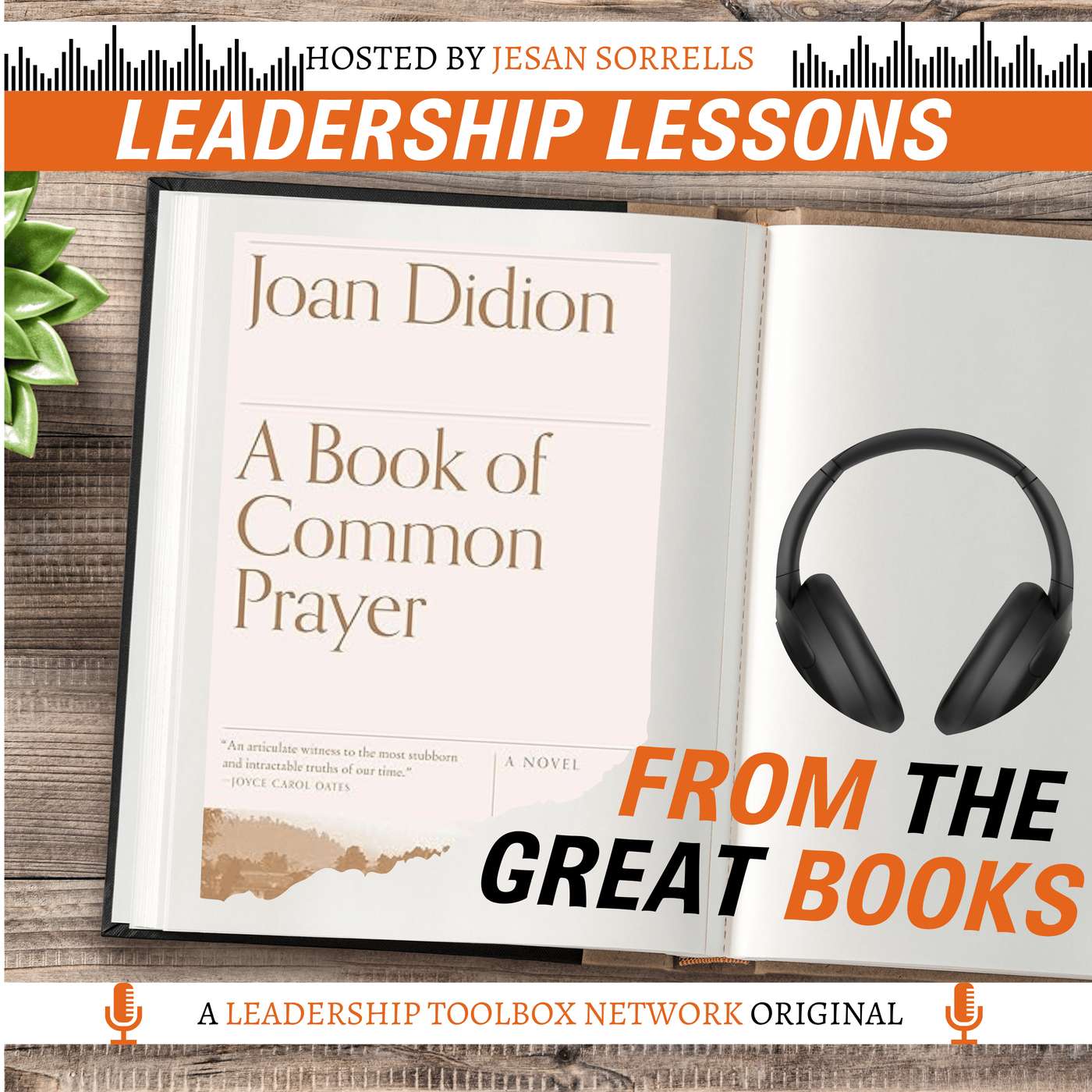
 Apple Podcasts
 Castbox
 Castro
 Goodpods
 Moon FM
 Overcast
 Pocket Casts
 Podbean
 Podcast Addict
 Podcast Republic
 Spotify